
In this article I’m going to explore the importance of sex on the probability of getting kidney disease. Though often used interchangeably, sex and gender are different concepts. Sex is a biologically-determined characteristic reflecting physical differences, whilst gender is self-ascribed and reflects socio-cultural factors. For ease and to avoid confusing the two terms – I’m going to use biological sex throughout this article.
Did you know?
- Women are more likely to have kidney disease
- Men are more likely to have dialysis during their lifetimes
Recent studies show that about 10% of the global population has some form of kidney disease, with women making up a slightly higher percentage of those diagnosed. However, men are more likely to progress to severe stages requiring dialysis or transplantation. For example, in many countries, men represent nearly 60% of patients receiving kidney replacement therapy, highlighting a significant gender gap in disease progression and treatment.
Does biology matter for kidney disease?
Chronic kidney disease does differ by sex. Men may be at increased risk of reaching kidney failure or reach kidney failure sooner than women because of differences in hormone levels. Oestrogen is believed to have a protective effect on kidney function, as kidney disease appears to progress more slowly in women than men. Testosterone may accelerate damage; studies have found that testosterone promotes podocyte damage and kidney scarring. Podocytes are specialised cells in the kidneys that play a crucial role in filtering blood and preventing protein loss. Damage to these cells can lead to scarring and impaired kidney function. Recent research has shown that testosterone can harm podocytes, accelerating kidney damage, while oestrogen appears to protect them. Understanding these hormone effects better could open new doors for treatments that slow kidney disease progression.
There is a complex interaction of sex hormones and their receptors in kidney disease, suggesting that hormonal balance influences kidney damage and disease progression. Many scientists have called for further research on this topic.
Attitudes to health
Gender differences in attitudes to health have also been suggested as an explanation of the differences between identification, treatment and outcomes of kidney disease between men and women. Men are less likely to access health care and screening options available to them. This could explain how in men we see a progress of kidney disease to end stage kidney failure – dialysis or transplantation. Research suggests that societal expectations and traditional views of masculinity often discourage men from seeking medical help or participating in regular health screenings. This reluctance can delay diagnosis and treatment of kidney disease, leading to worse outcomes. Fortunately, health campaigns worldwide are increasingly targeting men to raise awareness about the importance of early detection and proactive health management.
Globally, more men receive kidney replacement therapy. From the graph below – you can see that women consistently have a higher prevalence of kidney disease. In most geographies through – more men are dying from kidney disease.
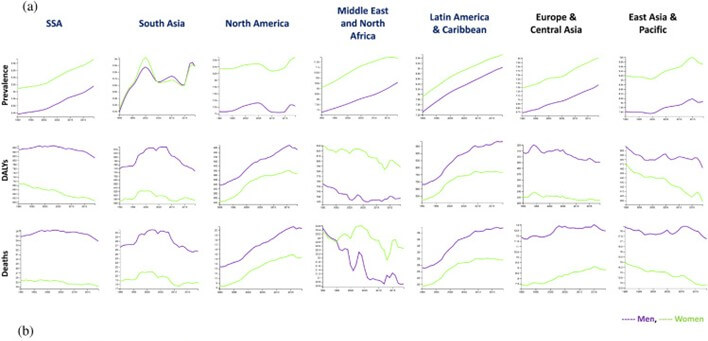
Figure 1: https://www.sciencedirect.com/science/article/pii/S0270929522000092.
Pregnancy
During pregnancy the blood test and urine tests of kidney function (eGFR) can improve as the kidneys work harder than normal. However, because the kidneys have worked harder than normal for a sustained period of time – this can cause damage to the kidneys.
Women can also have increased risk for kidney damage due to problems experienced in pregnancy, such as high blood pressure, gestational diabetes or eclampsia. If you’re pregnant, it’s important to keep an eye on your kidney health, especially if you have conditions like high blood pressure or diabetes. Regular prenatal check-ups often include kidney function tests, but if you notice symptoms like swelling, high blood pressure, or changes in urine, be sure to discuss them with your healthcare provider promptly to prevent potential kidney damage.
Menopause
Not much is known about the effect of menopause on kidney function. However, research is underway to understand if there is any link between the drop of hormones in women during the menopause and whether this could impact the kidneys. One word of caution is that kidney disease can cause general non-descript symptoms such a fatigue, dry skin and swollen legs which could be attributed to menopause but should be investigated further.
Since symptoms like fatigue, swelling, and dry skin can be signs of both menopause and kidney disease, it’s important not to dismiss these signs as just part of aging. Women experiencing these symptoms should talk to their doctors about kidney function tests to rule out kidney issues and ensure they get the right care.
Urinary tract infections
Women are more likely to get urinary tract infections, and frequent or serious urinary tract infections can cause kidney disease, correlating with the higher incidence of kidney disease in women. If you do experience a urinary tract infection – get it treated straight away – don’t wait.
Common symptoms of urinary tract infections include a burning sensation during urination, frequent urges to urinate, cloudy or strong-smelling urine, and pelvic pain. To help prevent UTIs, stay well-hydrated, practice good hygiene – wipe from front to back, and urinate after sexual activity. If you experience any symptoms, seek treatment promptly to avoid complications that could affect your kidneys.
Contributing factors
There are biological sex differences in some of the contributing factors of kidney disease too – these include:
- Diabetes
- Hypertension (high blood pressure)
- Smoking
- Obesity (excessive weight)
- Poverty
- Risks of injury to kidneys
Check out for more information
Does size matter?
Did you know that men usually have bigger and heavier kidneys than women? On average, men’s kidneys are about 10 to 14 cm long, while women’s are a bit smaller, around 9 to 13 cm. When it comes to weight, men’s kidneys typically weigh between 125 and 175 grams, and women’s fall between 115 and 155 grams. These differences mostly come down to overall body size—things like height and weight—but interestingly, men tend to have larger total kidney and kidney tissue volume no matter their age. In transplantation – a woman can receive a man’s kidney and vice versa – but it’s not common.
Kidney size is a handy way to predict how well a donated kidney might work for the recipient. While doctors do measure the size of a donor’s kidney during evaluation, we still don’t fully understand how kidney size actually relates to the success of the transplant or the donor’s health afterward.
Gender therapy
Transgender individuals are people whose gender identity differs from the sex at birth. For gender diverse people, their gender identity can include a spectrum of identities beyond male and female. Some people choose to help make their gender and sex better align by pursuing hormone therapy. This involves changing the levels of sex hormones in a person’s body. There is very little information on the affect of these hormones on the kidneys and kidney disease.
Hormone therapy for transgender individuals involves altering levels of estrogen or testosterone, which could potentially affect kidney function. However, there is currently limited research on how these hormone changes impact kidney health over time. Healthcare providers are encouraged to monitor kidney function regularly in transgender patients receiving hormone therapy, and more studies are needed to understand the long-term effects. Read much more on this topic – click here
Conclusion
To wrap things up, gender really does matter when it comes to kidney health—but it’s not just about biology. It’s a mix of hormones, lifestyle, and even how we approach our own health that shapes the story. Women might be more likely to have kidney disease, but men often face faster progression and more serious treatments. And for folks going through hormone therapy or major life changes like pregnancy or menopause, there’s still a lot we’re learning about how kidneys respond. The good news? Being aware of these differences means you can catch issues earlier and take better care of your kidneys.